
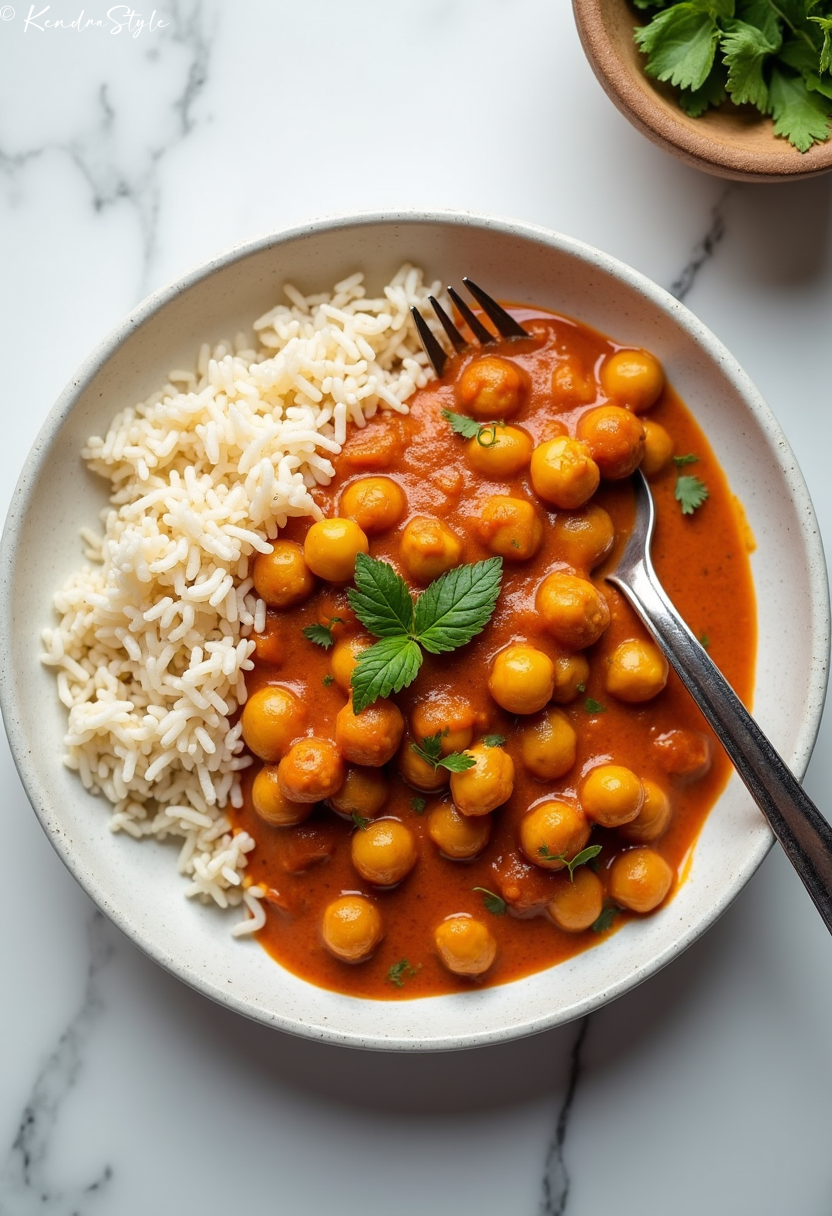
Chickpeas in creamy, spiced tomato sauce. This vegetarian chickpea tikka masala proves that plant-based eating is delicious, satisfying, and incredibly nutritious. Whether you’re fully vegetarian, reducing meat consumption, or simply looking for meatless meal ideas, this recipe delivers on flavor, nutrition, and ease of preparation.
Why This Vegetarian Chickpea Tikka Masala Works
This chickpea tikka masala is Indian classic, making it perfect for anyone embracing vegetarian eating or looking to incorporate more plant-based meals. The combination of wholesome ingredients creates a dish that’s satisfying enough to please even devoted meat-eaters while providing complete nutrition vegetarians need.
What makes this recipe special is how it showcases vegetables at their best. Instead of treating plant-based eating as sacrifice, this recipe celebrates the incredible flavors and textures that vegetables, legumes, and whole grains offer. The result is a meal you’ll crave regularly, not just when you’re “trying to eat healthy.”
For comprehensive vegetarian meal prep strategies and hundreds more plant-based recipes, this vegetarian healthy meal prep cookbook is an essential resource that will revolutionize how you approach meatless cooking and weekly meal planning.
Recipe Overview
Prep Time: 10-15 minutes
Cook Time: 30-45 minutes
Total Time: 25-50 minutes
Servings: 4-6 servings
Difficulty Level: Easy to Moderate
Dietary: Vegetarian, adaptable to vegan
Best For: Dinner, meal prep, plant-based eating
Nutritional Benefits of This Recipe
Complete Nutrition Without Meat
This vegetarian chickpea tikka masala provides balanced nutrition from diverse plant sources. The combination of ingredients ensures you get adequate protein, fiber, healthy fats, and essential micronutrients—everything your body needs to thrive on a vegetarian diet.
Protein sources: Vegetarian meals can absolutely provide sufficient protein. This recipe incorporates plant-based proteins from legumes, whole grains, nuts, seeds, dairy, or eggs depending on the variation. These proteins support muscle maintenance, immune function, and satiety.
Fiber content: Plant-based meals naturally provide abundant fiber from vegetables, whole grains, and legumes. This promotes digestive health, helps regulate blood sugar, supports heart health, and keeps you feeling full for hours.
Vitamin & mineral density: Vegetables, whole grains, and legumes pack impressive amounts of vitamins A, C, K, folate, iron, calcium, and other essential nutrients. Eating a variety of colorful plant foods ensures comprehensive nutrition.
Healthy fats: Plant-based fats from avocado, nuts, seeds, and olive oil provide essential fatty acids, support brain health, and help absorb fat-soluble vitamins without the saturated fat concerns of animal products.
Environmental & Health Benefits
Beyond personal nutrition, vegetarian meals like this one have lighter environmental footprint than meat-based meals. They require fewer resources to produce and generate less environmental impact—making your food choices better for both personal and planetary health.
Studies consistently show that plant-based diets rich in vegetables, whole grains, and legumes support heart health, healthy weight maintenance, and may reduce risk of certain chronic diseases. This recipe exemplifies how vegetarian eating supports long-term wellness.
Essential Ingredients
Main Components
The foundation of great vegetarian cooking lies in selecting quality, flavorful plant-based ingredients. Each component serves specific nutritional and culinary purposes.
Fresh vegetables: Choose seasonal, vibrant vegetables that look and smell fresh. Proper vegetable selection makes the difference between mediocre and exceptional vegetarian meals. Look for firm texture, bright colors, and no signs of wilting or decay.
Protein sources: Depending on your recipe variation, incorporate beans, lentils, chickpeas, tofu, tempeh, eggs, cheese, or nuts. These provide essential amino acids and create satisfying meals that keep you full.
Whole grains: Select whole grain options like quinoa, brown rice, farro, or whole wheat pasta. These provide sustained energy, fiber, and important B vitamins often missing from refined grains.
Flavor builders: Aromatics like onions, garlic, and ginger; herbs both fresh and dried; and spices create depth that makes vegetarian meals exciting rather than boring.
Ingredient Substitutions
Vegan adaptations: Make this recipe vegan by replacing dairy with plant-based alternatives—cashew cream, nutritional yeast, or store-bought vegan cheese. Substitute eggs with tofu scramble or commercial egg replacers.
Gluten-free options: Use gluten-free grains like quinoa, rice, or certified gluten-free oats. Replace wheat pasta with alternatives made from rice, corn, or chickpeas.
Allergy-friendly swaps: Avoid nuts if allergic by using seeds instead. Replace soy products with other protein sources if intolerant. Most vegetarian recipes adapt easily to various dietary restrictions.
Budget modifications: Dried beans cost less than canned but require planning. Frozen vegetables often match fresh in nutrition while costing less. Seasonal produce always offers best value.
Step-by-Step Preparation Guide
Before You Start
Read the full recipe: Review all steps before beginning to understand timing and technique. This prevents surprises and ensures smooth cooking process.
Prepare ingredients: Wash all produce thoroughly. Chop vegetables to specified sizes for even cooking. Measure dry ingredients and have everything ready before you start cooking—this French cooking principle called “mise en place” makes actual cooking much easier.
Gather equipment: Ensure you have necessary pots, pans, utensils, and tools within reach. Proper equipment makes cooking more efficient and enjoyable.
Cooking Process
Step 1: Build flavor foundation. Start with aromatics—onions, garlic, ginger—sautéed in oil or water. These create the flavor base that makes vegetarian food exciting. Don’t rush this step; properly cooked aromatics develop sweetness and depth.
Step 2: Add main ingredients. Introduce vegetables in order of cooking time required. Harder vegetables like carrots need more time than delicate ones like spinach. Proteins like beans or tofu can be added early as they just need heating through.
Step 3: Season appropriately. Layer seasoning throughout cooking rather than all at the end. Salt draws out moisture from vegetables and builds flavor. Add herbs and spices at appropriate times—some bloom in oil at start, others are best fresh at the end.
Step 4: Finish with freshness. Bright, fresh elements added at the end—lemon juice, fresh herbs, crunchy nuts—create contrast and lift the dish. These final touches transform good food into great food.
Achieving Perfect Results
Don’t overcook vegetables: Vegetables should be tender but retain some texture and vibrancy. Overcooked vegetables become mushy, lose nutrients, and look unappetizing.
Season boldly: Vegetarian food isn’t bland unless you make it so. Use sufficient salt to enhance flavors, acids like lemon or vinegar to brighten, and spices to add complexity.
Build texture: Great meals have variety in texture. Include something creamy, something crunchy, something chewy. This textural contrast makes eating more satisfying.
Meal Prep & Storage Strategies
Efficient Batch Cooking
Scale up easily: Most vegetarian recipes double or triple well. Cook large batches on weekends for ready meals throughout the week. This saves time and ensures you always have healthy options available.
Prep components separately: For maximum freshness, store components separately and assemble when ready to eat. Keep grains, proteins, vegetables, and dressings in individual containers.
Invest in quality containers: Use glass containers when possible—they don’t stain or retain odors like plastic. Portion-sized containers prevent overeating and make grab-and-go meals easy.
Label everything: Mark containers with contents and date prepared. This simple habit prevents food waste and helps plan weekly meals.
Storage Guidelines
Refrigeration: Most vegetarian meals keep well for 4-5 days refrigerated. Store at 40°F or below in airtight containers. Some components like crispy elements are best stored separately and added when serving.
Freezing: Many vegetarian meals freeze beautifully for 2-3 months. Soups, stews, casseroles, and grain dishes all freeze well. Avoid freezing raw vegetables with high water content or creamy sauces that may separate.
Reheating methods: Microwave in 1-minute intervals, stirring between, until heated through. Stovetop reheating often yields better texture—add splash of water or broth to prevent sticking. Oven reheating works well for casseroles.
Refreshing leftovers: Revive meals with fresh additions—squeeze of lemon, fresh herbs, toasted nuts, or drizzle of good olive oil transform day-old food into something that tastes freshly made.
Serving Suggestions
Complete Meal Pairings
While this chickpea tikka masala stands alone beautifully, thoughtful sides create complete, balanced meals that satisfy fully.
For Dinner: Round out your meal with complementary components that add nutrition, texture, or flavor contrast.
Protein additions: If this recipe is vegetable-heavy, add protein through Greek yogurt, hard-boiled eggs, nuts, seeds, or cheese to create complete meal.
Whole grain sides: Serve vegetable-based dishes over quinoa, brown rice, farro, or with whole grain bread to add sustaining carbohydrates.
Fresh elements: Simple green salad, fresh fruit, or raw vegetables provide crunch and freshness that balance cooked meals.
Presentation Tips
Color matters: We eat with our eyes first. Arrange food to showcase beautiful natural colors. Colorful meals are more appealing and typically more nutritious.
Garnish thoughtfully: Fresh herbs, lemon wedges, toasted nuts, or drizzle of sauce add visual appeal and flavor.
Proper portions: Use visual cues for portioning—vegetables fill half the plate, grains one quarter, protein one quarter. This creates balanced, nutritious meals.
Recipe Variations & Customization
Flavor Profiles
Mediterranean: Add olives, sun-dried tomatoes, feta cheese, oregano, and lemon for Greek or Italian flavors.
Asian-inspired: Incorporate ginger, garlic, soy sauce, sesame oil, and rice vinegar for Chinese or Japanese influence.
Mexican: Use cumin, chili powder, cilantro, lime, and jalapeños for Tex-Mex flair.
Indian: Employ curry powder, garam masala, turmeric, cumin, and coriander for warming Indian spices.
Middle Eastern: Feature za’atar, sumac, tahini, lemon, and mint for Mediterranean Middle Eastern taste.
Dietary Adaptations
Vegan version: Replace any dairy with plant-based alternatives. Use tofu or tempeh instead of eggs. Nutritional yeast adds cheesy flavor to vegan dishes.
Low-carb approach: Replace grains with cauliflower rice, zucchini noodles, or simply increase vegetables. Focus on protein and healthy fats for satiety.
High-protein variation: Add extra legumes, tofu, tempeh, or increase eggs and cheese if lacto-ovo vegetarian. Serve with Greek yogurt or cottage cheese.
Gluten-free option: Use certified gluten-free grains and check all packaged ingredients for hidden gluten. Corn, rice, and quinoa are naturally gluten-free.
Common Mistakes & Solutions
Bland, boring food: Don’t skimp on seasoning. Vegetarian food needs bold flavors from herbs, spices, acids, and salt to shine. Taste and adjust throughout cooking.
Mushy vegetables: Overcooking is the enemy of good vegetable cookery. Cook just until tender-crisp, with bright colors and some bite remaining.
Not feeling full: Include protein and healthy fats in meals. Vegetables alone won’t sustain you. Add beans, nuts, avocado, or eggs for satiety.
Lack of variety: Eating same meals repeatedly leads to nutrient gaps and boredom. Rotate through different vegetables, grains, and proteins weekly.
Expensive grocery bills: Vegetarian eating can be budget-friendly. Buy dried beans instead of canned, choose seasonal produce, and use frozen vegetables. Meat is often the most expensive grocery item—removing it should save money.
Essential Cooking Techniques
Vegetable Preparation
Proper washing: Rinse all produce under cold running water. Use vegetable brush for items like potatoes. Soak leafy greens in cold water to remove grit.
Strategic cutting: Cut vegetables to similar sizes for even cooking. Smaller pieces cook faster than large chunks. Consider how vegetables will be eaten—bite-sized pieces for bowls, larger for sandwiches.
Advance prep: Chop vegetables ahead for quick weeknight cooking. Store in airtight containers with paper towel to absorb moisture. Most vegetables keep 3-5 days prepped.
Cooking Methods
Sautéing: Quick cooking in small amount of oil over medium-high heat. Keeps vegetables crisp-tender with good color. Stir frequently for even cooking.
Roasting: Dry heat cooking that caramelizes vegetables’ natural sugars. Toss with oil, spread in single layer, roast at 400-425°F until browned and tender.
Steaming: Gentlest cooking method that preserves nutrients. Use for delicate vegetables or when you want pure vegetable flavor without added fats.
Grilling: Adds smoky flavor perfect for summer. Brush vegetables with oil to prevent sticking. Use grill basket for small pieces.
Equipment Essentials
Chef’s knife: Sharp, quality knife makes vegetable prep faster and safer. Invest in good knife and keep it sharp.
Cutting boards: Have separate boards for different food groups. Wood or plastic both work well when properly maintained.
Quality cookware: Heavy-bottomed pots and pans distribute heat evenly, preventing hot spots and burning. Non-stick works well for delicate items.
Blender or food processor: Essential for making sauces, soups, and dressings. Immersion blender works well for soups.
Storage containers: Various sizes of airtight containers for meal prep and leftovers. Glass containers are ideal.
Budget-Friendly Vegetarian Eating
Buy in bulk: Dried beans, lentils, rice, and grains cost significantly less in bulk. Stock up on these pantry staples.
Seasonal shopping: Buy produce in season for best prices and flavor. Learn what’s cheap when and plan meals accordingly.
Frozen is fine: Frozen vegetables and fruits are picked at peak ripeness, are nutritionally equivalent to fresh, and cost less with no waste.
Grow your own: Even small spaces can produce herbs, tomatoes, or peppers. These expensive fresh items are easy to grow.
Plan around sales: Check weekly ads and plan meals around discounted items. Stock up on non-perishables when on sale.
Nutritional Considerations for Vegetarians
Getting Enough Protein
Combine various plant proteins throughout the day to get all essential amino acids. While you don’t need “complete proteins” at every meal, variety ensures adequate nutrition. Include legumes, whole grains, nuts, seeds, dairy, and eggs regularly.
Important Nutrients
Iron: Include lentils, spinach, tofu, quinoa, and fortified cereals. Pair with vitamin C to enhance absorption.
B12: Lacto-ovo vegetarians get B12 from dairy and eggs. Vegans need fortified foods or supplements.
Calcium: Dairy products, fortified plant milk, leafy greens, tofu, and almonds provide calcium.
Omega-3s: Include walnuts, flaxseed, chia seeds, and hemp seeds for plant-based omega-3 fatty acids.
Zinc: Found in legumes, nuts, seeds, and whole grains. Soaking and sprouting improves absorption.
Time-Saving Strategies
Weekend meal prep: Dedicate 2-3 hours on weekends to prep ingredients or entire meals. This makes weeknight cooking nearly effortless.
One-pot meals: Minimize cleanup with recipes that cook everything in one pot or pan. Less time washing dishes means more time enjoying food.
Use conveniences wisely: Pre-washed greens, pre-cut vegetables, and canned beans save significant time. Choose conveniences that fit your budget.
Cook once, eat twice: Make extra intentionally. Tonight’s dinner becomes tomorrow’s lunch or part of another meal later in the week.
Making Vegetarian Food Exciting
The secret to sustainable vegetarian eating is making it delicious and varied. Don’t fall into ruts of eating the same meals repeatedly. Explore different cuisines—Indian, Thai, Mexican, Mediterranean—all have incredible vegetarian traditions. Try new vegetables, experiment with unfamiliar grains, and don’t be afraid of bold seasonings.
Follow vegetarian food blogs, cookbooks, and social media accounts for constant inspiration. Join online communities where people share recipes and tips. The more enthusiastic you are about vegetarian cooking, the more sustainable this eating pattern becomes.
Final Thoughts
This chickpea tikka masala exemplifies how vegetarian eating can be nutritious, delicious, and completely satisfying. Whether you’re committed to plant-based eating or simply trying to incorporate more meatless meals, recipes like this prove that vegetarian food is anything but boring or restrictive.
The key to successful vegetarian cooking lies in embracing vegetables as the stars they are, not treating them as meat substitutes. When you celebrate the incredible flavors, textures, and nutrition that plant foods offer, vegetarian meals become something to crave rather than endure.
Start with recipes you love, master the techniques, then begin experimenting. Build confidence with simple preparations before attempting more complex dishes. Most importantly, enjoy the process of cooking and eating real, whole food that nourishes both body and soul.
Pin this vegetarian chickpea tikka masala recipe for delicious plant-based meal inspiration whenever you need it!