
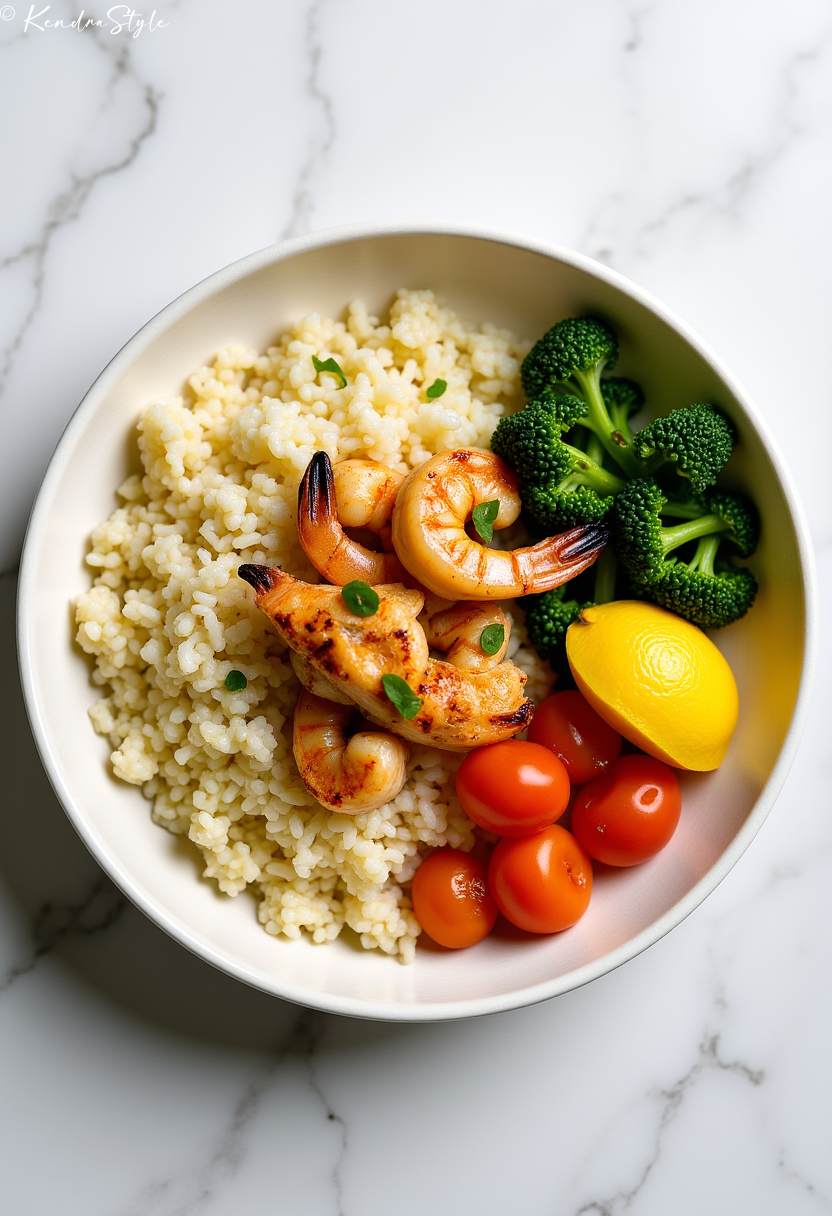
Riced cauliflower topped with flavorful proteins. This cauliflower rice bowl is perfect for anyone committed to healthy eating without sacrificing taste or satisfaction. Whether you’re meal prepping for the week, looking for nutritious dinner ideas, or simply wanting to feel better about what you eat, this recipe delivers on flavor, nutrition, and convenience.
Why This Cauliflower Rice Bowl Recipe Works
This cauliflower rice bowl checks all the boxes for successful healthy eating. It’s low-carb base, making it ideal for supporting your wellness goals while actually enjoying your food. The combination of wholesome ingredients creates a meal that satisfies both your taste buds and nutritional needs.
What sets this recipe apart is how it balances nutrition with real-world practicality. You don’t need exotic ingredients or complicated techniques—just straightforward cooking that fits into busy schedules. The result is a dish you’ll want to make again and again, not just because it’s healthy, but because it genuinely tastes good.
For comprehensive meal prep strategies and more healthy recipes like this one, this healthy meal prep cookbook is an invaluable resource that will transform how you approach weekly cooking and nutrition planning.
Recipe at a Glance
Prep Time: 10-15 minutes
Cook Time: 30-40 minutes
Total Time: 25-45 minutes
Servings: 4-6 servings
Difficulty: Easy to Moderate
Best For: Dinner, meal prep, healthy eating
Key Ingredients & Substitutions
Main Components
The foundation of this recipe relies on fresh, wholesome ingredients that work together to create balanced nutrition. Each component serves a specific purpose—providing protein, fiber, healthy fats, or essential vitamins and minerals. Using quality ingredients makes a noticeable difference in both taste and nutritional value.
Fresh produce: Choose vibrant, firm vegetables and fruits. Look for seasonal options when possible for best flavor and value. Wash thoroughly before use.
Protein sources: Select lean proteins appropriate for your dietary preferences—chicken, fish, tofu, legumes, or eggs all work beautifully depending on the recipe variation.
Whole grains: Opt for whole grain varieties over refined options. Brown rice, quinoa, oats, and whole wheat provide more fiber and nutrients.
Healthy fats: Include sources like avocado, nuts, seeds, or olive oil to promote satiety and nutrient absorption.
Smart Substitutions
Dietary restrictions: This recipe easily adapts to various dietary needs. Swap proteins for plant-based alternatives, use gluten-free grains if needed, or adjust seasonings for low-sodium diets.
Budget-friendly swaps: Frozen vegetables work as well as fresh in most applications. Canned beans and lentils save time without sacrificing nutrition. Store brands often match quality at lower prices.
Flavor variations: Change up spices and herbs to prevent meal prep boredom. Mediterranean, Asian, Mexican, or Italian seasonings all transform the same basic ingredients into completely different dishes.
Step-by-Step Preparation
Getting Started
Step 1: Prep your ingredients. Wash and chop all vegetables before you begin cooking. This mise en place approach makes actual cooking much faster and more enjoyable. Measure out spices and have everything within reach.
Step 2: Prepare proteins. If using meat or tofu, cut into uniform pieces for even cooking. Season appropriately and allow to come to room temperature for best results.
Step 3: Start cooking. Follow the specific cooking method for your recipe—whether sautéing, roasting, or simmering. Proper heat management ensures best texture and flavor development.
Cooking Process
The cooking process transforms raw ingredients into a cohesive, flavorful dish. Pay attention to timing—overcooking vegetables reduces both nutrition and appeal, while undercooking proteins can be unsafe. Use your senses; food should smell fragrant, look appetizing, and test tender when done.
Layer flavors as you cook. Start aromatics like onions and garlic first to build flavor base. Add heartier vegetables before delicate ones. Season in stages rather than all at once for better flavor distribution.
Finishing Touches
Before serving, taste and adjust seasonings. A squeeze of fresh lemon, dash of hot sauce, or sprinkle of fresh herbs can elevate good food to great. Consider texture too—adding crunchy nuts, seeds, or fresh vegetables provides contrast.
If meal prepping, allow food to cool completely before portioning into containers. This prevents condensation that can make food soggy and shortens storage life.
Meal Prep & Storage Guide
Efficient Meal Prep
Batch cooking: Double or triple this recipe to have ready meals throughout the week. Most components store well for 4-5 days when properly refrigerated.
Container selection: Use airtight glass or BPA-free plastic containers. Clear containers help you see what’s inside, and portion-sized options prevent overeating.
Proper labeling: Mark containers with contents and date prepared. This simple step prevents mystery meals and helps track freshness.
Strategic packing: Keep wet and dry ingredients separate when possible. Pack dressings and sauces separately to prevent sogginess. Store crunchy toppings in small containers to add just before eating.
Storage Best Practices
Refrigeration: Store prepared meals in refrigerator for 4-5 days maximum. Keep refrigerator at 40°F or below for food safety.
Freezing: Many components freeze beautifully for up to 3 months. Portion into individual servings before freezing for easy thawing. Label with date and reheating instructions.
Reheating: Microwave in 1-minute intervals, stirring between, until heated through. Alternatively, reheat gently on stovetop or in oven. Add splash of water or broth if needed to prevent drying.
Nutrition Breakdown
Why This Recipe Supports Your Goals
Understanding the nutrition in your meals helps make informed choices aligned with your health goals. This recipe provides balanced macronutrients—protein for muscle maintenance and satiety, complex carbohydrates for sustained energy, and healthy fats for hormone production and nutrient absorption.
Protein power: Adequate protein helps maintain muscle mass, supports immune function, and keeps you feeling full between meals. Each serving provides substantial protein to meet daily needs.
Fiber benefits: High fiber content promotes digestive health, helps regulate blood sugar, and contributes to feeling satisfied. Whole grains, vegetables, and legumes all contribute fiber.
Micronutrients: This recipe packs essential vitamins and minerals from diverse whole food sources. These micronutrients support everything from energy production to immune function.
Calorie conscious: Designed to be filling without excessive calories, this recipe fits various eating plans from weight loss to maintenance to athletic training.
Serving Suggestions
Perfect Pairings
While this recipe stands alone beautifully, thoughtful pairings create complete, satisfying meals. Consider what nutrients or flavors would complement the dish.
For dinner: Round out the meal with complementary items that add nutrition or variety without requiring significant extra effort.
Side options: Fresh green salad, roasted vegetables, whole grain bread, or fresh fruit all pair beautifully depending on the main recipe.
Beverage choices: Stay hydrated with water, herbal tea, or add nutrition with green smoothies or fresh vegetable juice.
Portion Guidance
Appropriate portions help meet nutrition goals without over or under-eating. Use visual cues: protein roughly palm-sized, grains about fist-sized, vegetables fill half your plate, and fats are thumb-sized portions.
Listen to hunger and fullness cues rather than eating everything simply because it’s there. Meal prep portions can be adjusted based on individual calorie needs and activity levels.
Recipe Variations & Customization
Dietary Adaptations
Vegetarian/Vegan: Replace animal proteins with plant-based alternatives like tofu, tempeh, legumes, or seitan. Use vegetable broth instead of chicken or beef. Nutritional yeast adds savory, cheese-like flavor to vegan versions.
Gluten-free: Substitute gluten-free grains like quinoa, rice, or certified gluten-free oats. Check all packaged ingredients for hidden gluten sources.
Dairy-free: Use plant-based milk alternatives, coconut yogurt, or nutritional yeast in place of dairy products. Many recipes taste equally delicious without dairy.
Low-carb/Keto: Increase healthy fats and protein while reducing or eliminating grains. Cauliflower rice, zucchini noodles, and other vegetable substitutes work beautifully.
Flavor Variations
International flavors: Transform the base recipe with different spice blends. Italian herbs, Mexican spices, Asian seasonings, or Middle Eastern za’atar each create completely different dishes from the same foundation.
Seasonal adaptations: Use seasonal produce for best flavor and value. Summer versions might feature fresh tomatoes and herbs, while winter versions highlight root vegetables and hearty greens.
Spice level: Adjust heat to preference with fresh chilies, hot sauce, red pepper flakes, or cayenne pepper. Start mild and add heat gradually.
Common Mistakes to Avoid
Overcooking vegetables: Vegetables should be tender-crisp, not mushy. Overcooked vegetables lose nutrients, texture, and appeal.
Under-seasoning: Healthy doesn’t mean bland. Season boldly with herbs, spices, citrus, and small amounts of salt to enhance natural flavors.
Skipping meal prep: Preparing ingredients ahead makes healthy eating during busy weeks much more likely. Pre-chopped vegetables, cooked grains, and prepared proteins save crucial weeknight time.
Using low-quality ingredients: Quality ingredients simply taste better and provide more nutrition. You don’t need organic everything, but fresh, well-sourced basics make a difference.
Neglecting variety: Eating the same meals repeatedly leads to boredom and nutrient gaps. Rotate through different recipes and vary your protein and vegetable choices.
Time-Saving Tips
Prep ahead: Wash and chop vegetables on weekends. Cook grains and proteins in batches. Having components ready makes weeknight cooking nearly effortless.
Use quality shortcuts: Pre-washed salad greens, pre-cut vegetables, rotisserie chicken, and canned beans all save time without sacrificing nutrition.
One-pot methods: When possible, cook everything in one pot or pan to minimize cleanup time and effort.
Kitchen tools: Instant Pot, slow cooker, air fryer, and food processor all speed up healthy cooking significantly.
Budget-Friendly Strategies
Buy in season: Seasonal produce costs less and tastes better. Adjust recipes to feature what’s currently abundant.
Embrace frozen: Frozen vegetables and fruits are picked at peak ripeness, often match fresh in nutrition, and cost significantly less.
Plan around sales: Stock up on pantry staples when on sale. Buy proteins in bulk and freeze in portions.
Reduce waste: Use vegetable scraps for broth, repurpose leftovers creatively, and properly store ingredients to extend freshness.
Equipment You’ll Need
Essential tools: Chef’s knife, cutting board, measuring cups and spoons, mixing bowls, and appropriate cookware for your recipe method.
Nice to have: Food processor, quality storage containers, kitchen scale for precise portions, and instant-read thermometer for perfect cooking.
Care and maintenance: Keep knives sharp, wash cutting boards thoroughly, and maintain cookware according to manufacturer instructions for longevity.
Making It Your Own
The best healthy recipes are ones you’ll actually make repeatedly. Don’t be afraid to adjust this recipe to your preferences. Like more garlic? Add it. Prefer different vegetables? Swap them. Eating should be enjoyable, not just nutritious.
Keep notes on modifications you make. If you discover a combination you love, write it down so you can recreate it. Building your personal recipe collection of healthy foods you genuinely enjoy is the key to sustainable healthy eating.
Final Thoughts
This cauliflower rice bowl proves that healthy eating doesn’t require sacrifice or complexity. With straightforward ingredients, simple preparation, and delicious results, it’s the kind of recipe that becomes a regular rotation staple rather than a one-time experiment.
The beauty of healthy cooking is that it becomes easier and more intuitive over time. As you build confidence with recipes like this, you’ll develop skills and knowledge that make nutritious eating second nature rather than constant effort.
Remember that healthy eating is about progress, not perfection. Every nutritious meal you prepare is an investment in your health and wellbeing. Start with one recipe, master it, then expand your repertoire. Before you know it, healthy eating will feel effortless.
Pin this cauliflower rice bowl recipe for easy access to healthy dinner inspiration whenever you need it!